Último ayllu inka
The Q’eros
Qochamoqo, Hatun Q’eros, Andes, Peru · 2022
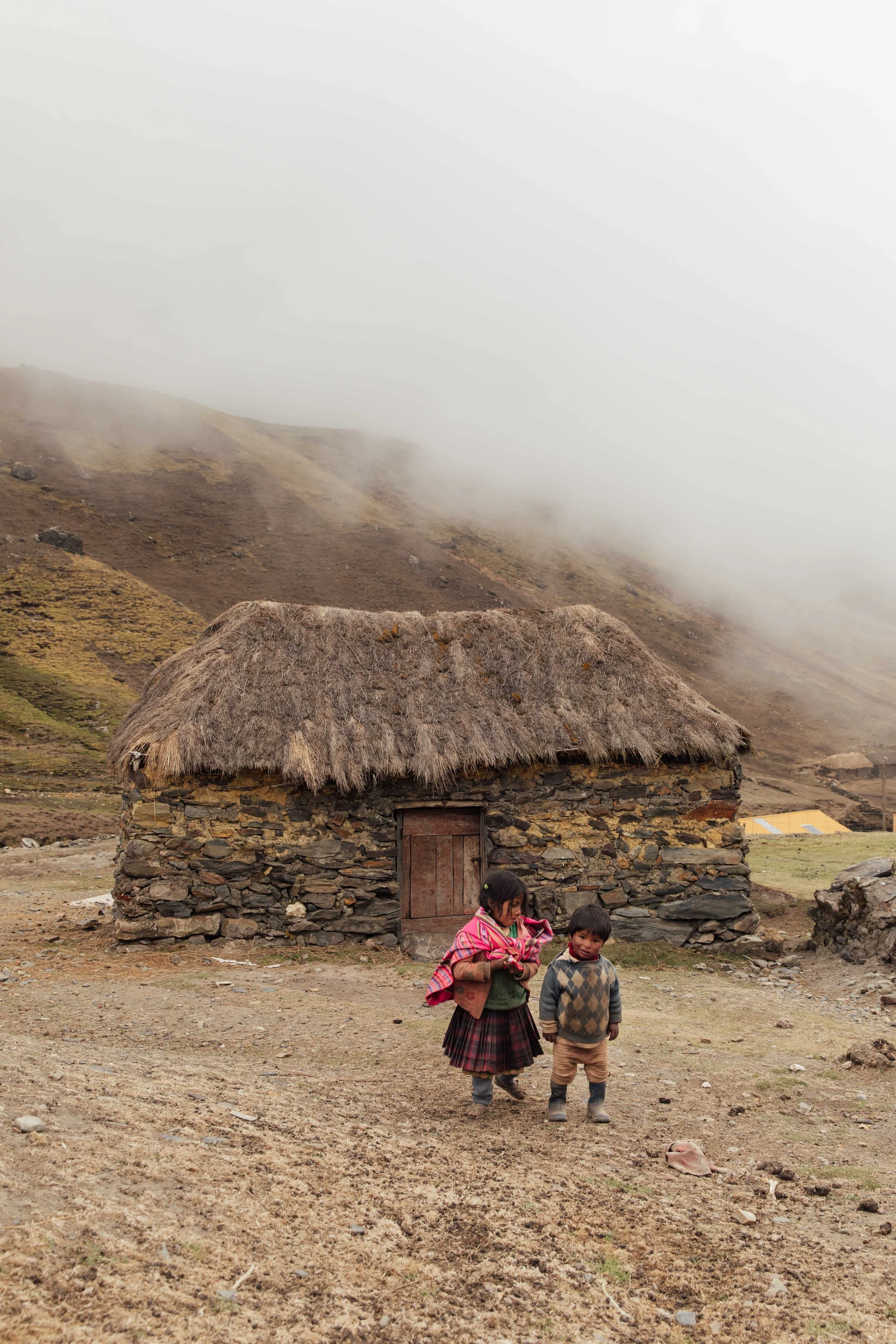
In 2022 I spent five days with the indigenous Q’ero people in Peru. After months of planning, two flights and an eight-hour drive over some of the most dangerous dirt roads, we reached the remote village of Qochamoqo at 4,400 metres. This is a story about the Q’eros and their traditional way of life in an ever more modern world.
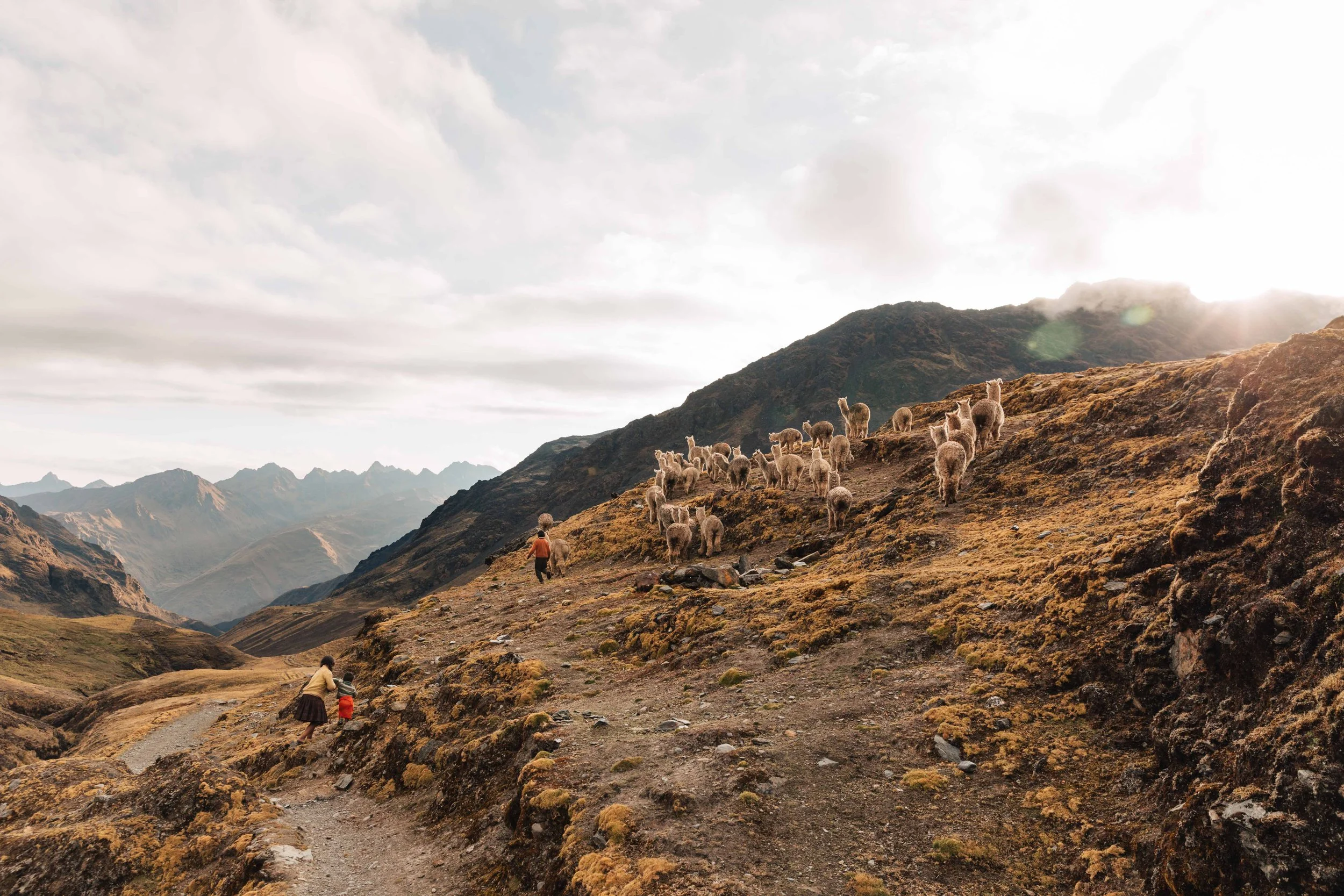
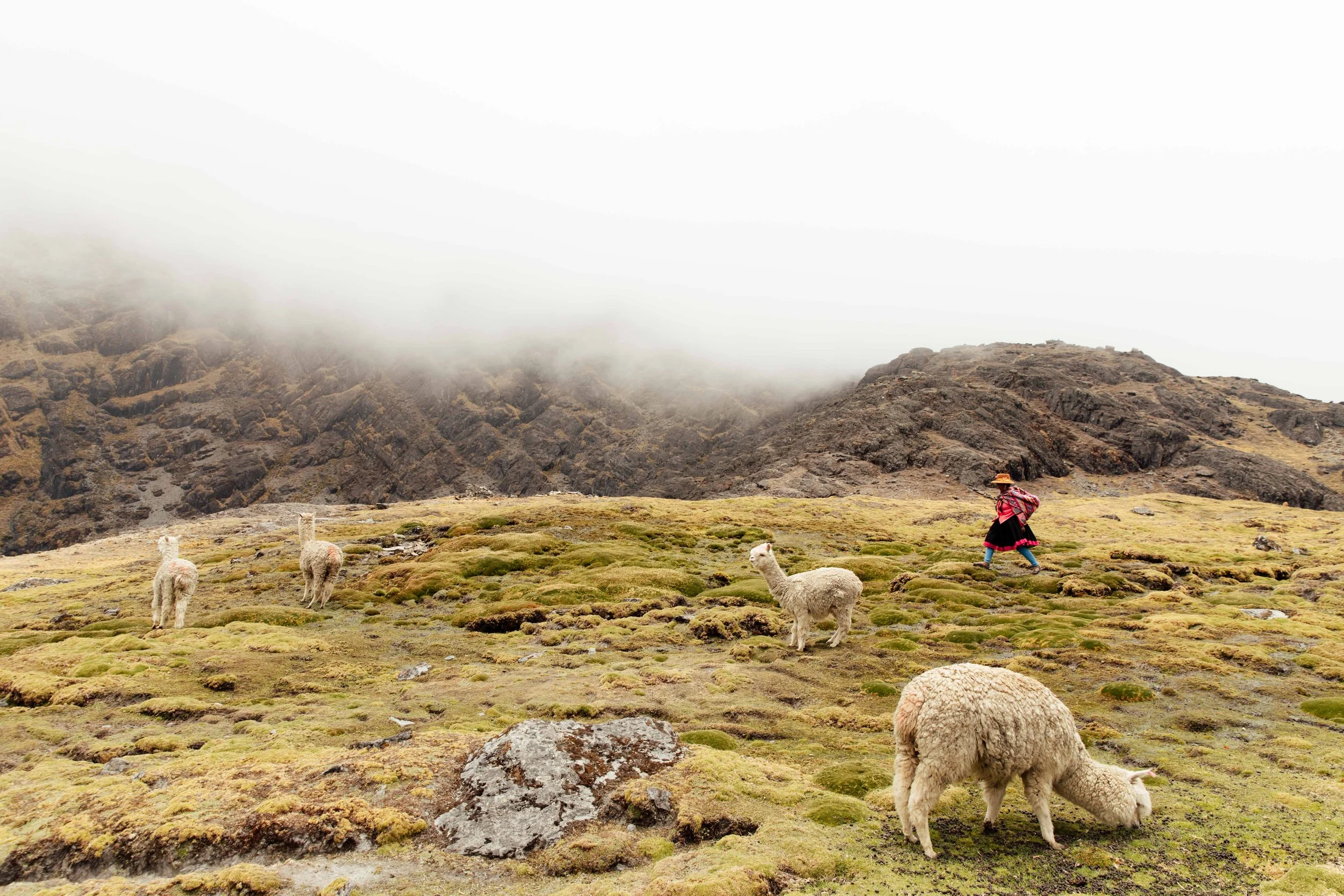
“Noisy alpacas in front of our stone house wake me on the first morning. It’s 5 a.m. and I climb out of my warm sleeping bag. Layered up against the freezing cold, I just get past a white rooster striking at me. In the distance a Q’eros family herds their alpacas up the mountain above Qochamoqo. I walk with them, and witness some of the most beautiful sights I’ve ever seen.”
The Q’eros are an indigenous community living high in the Andes of Peru. They are said to be one of the last remaining groups of Inca descendants — the último ayllu inka. Their remote villages lie in the Cordillera Vilcanota, the highest mountain range in south-eastern Peru.
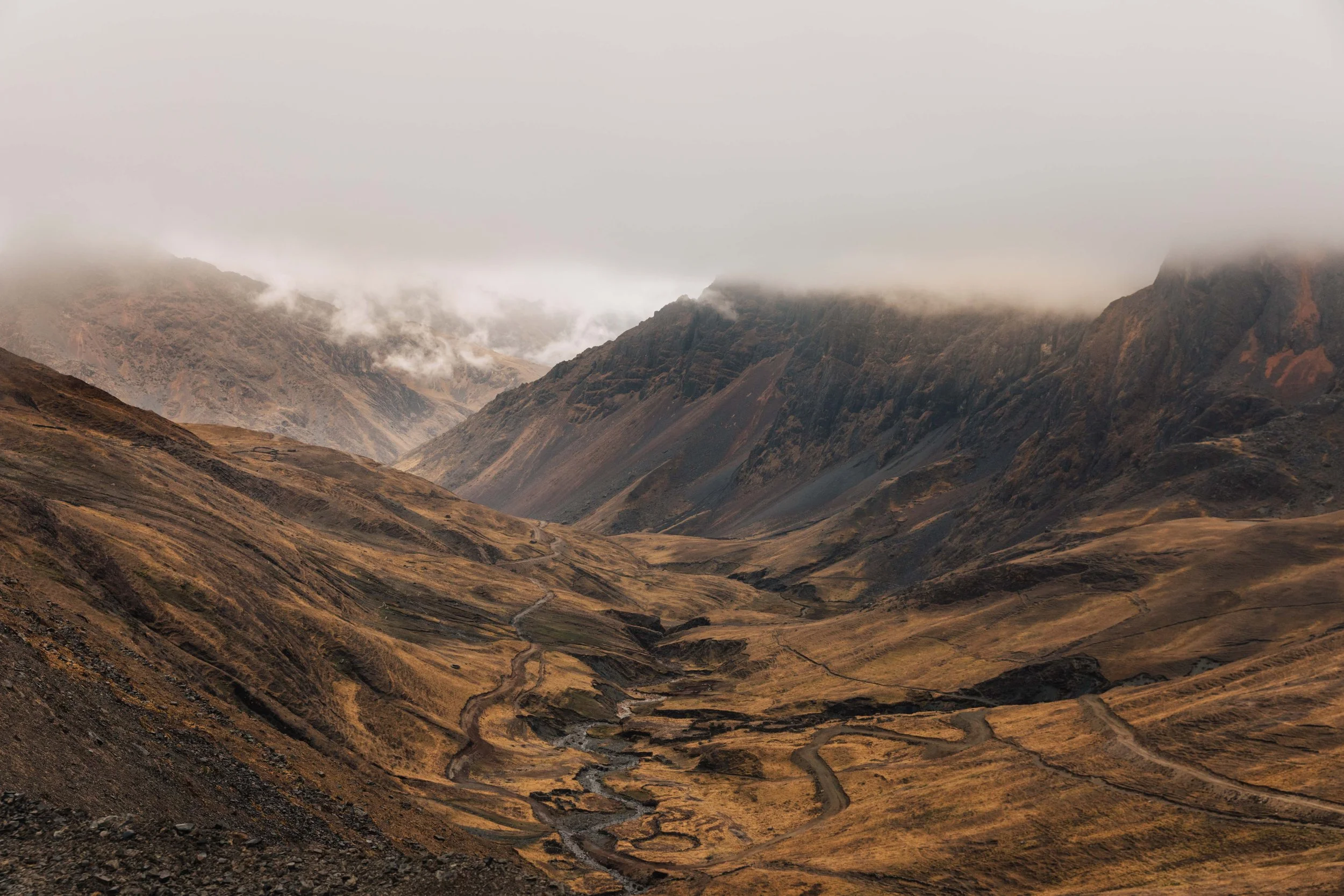
The community we visited lives in Qochamoqo at roughly 4,400 metres. It is a remote life in the clouds, at one with nature and in balance with the elements.
The Q’eros
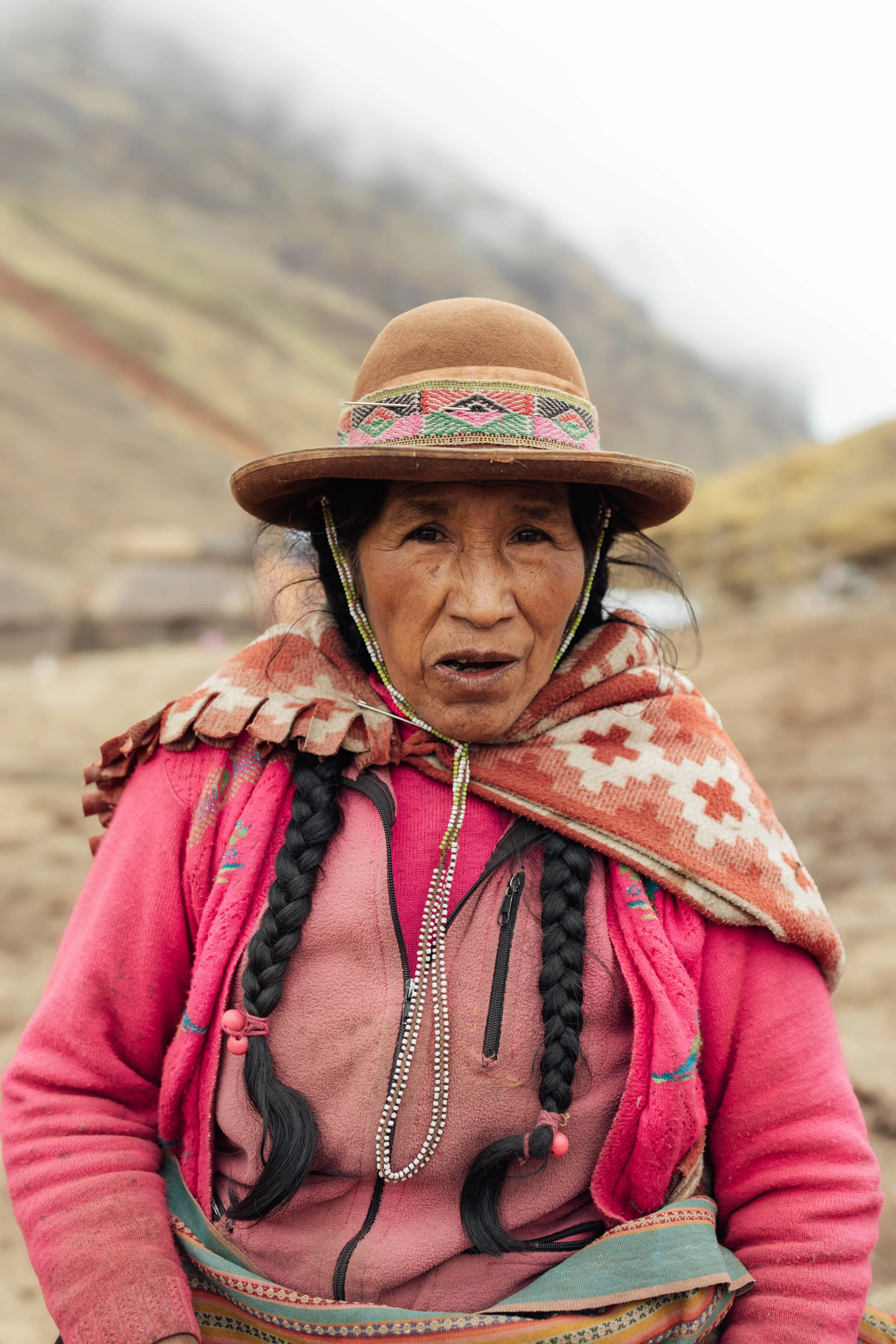
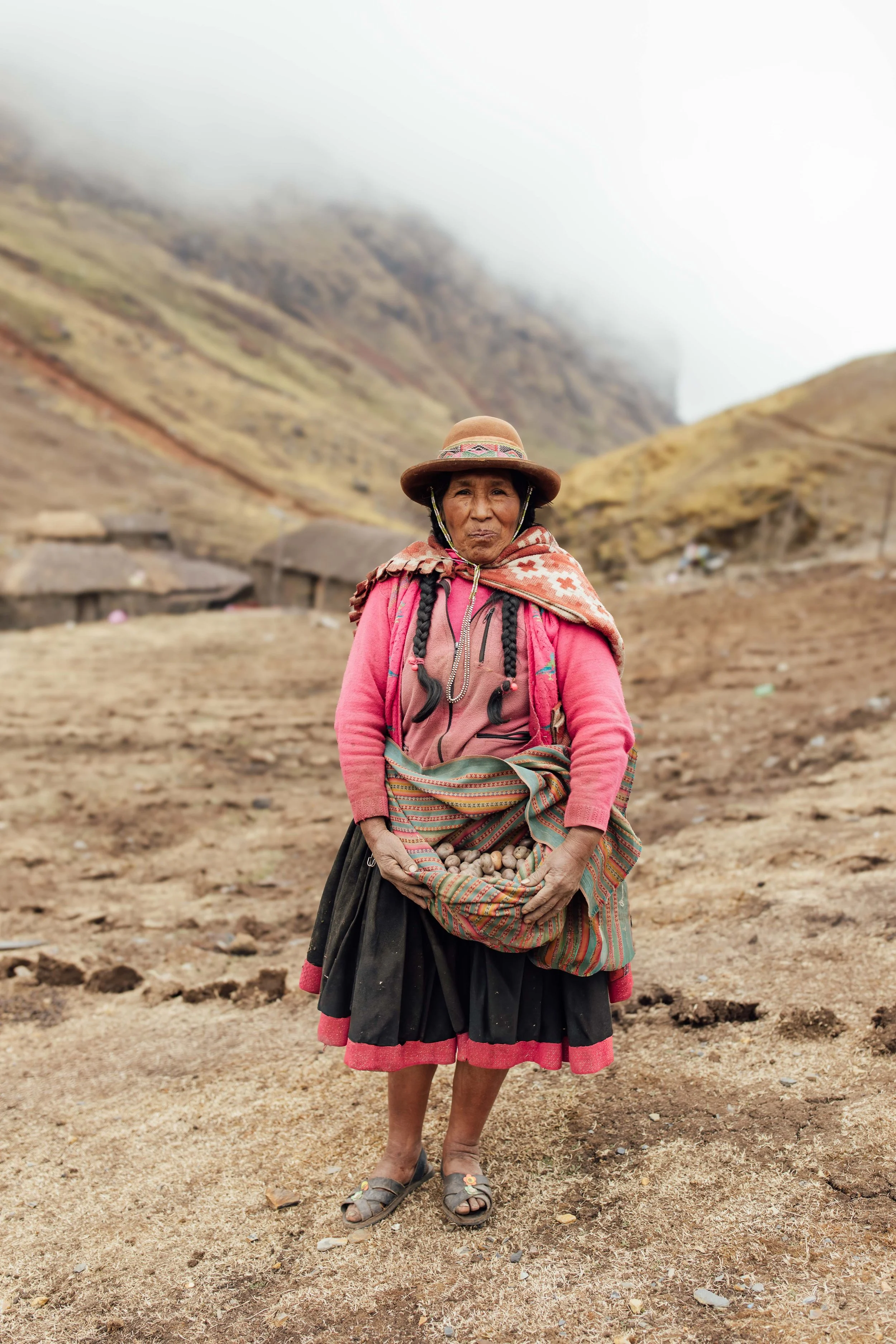
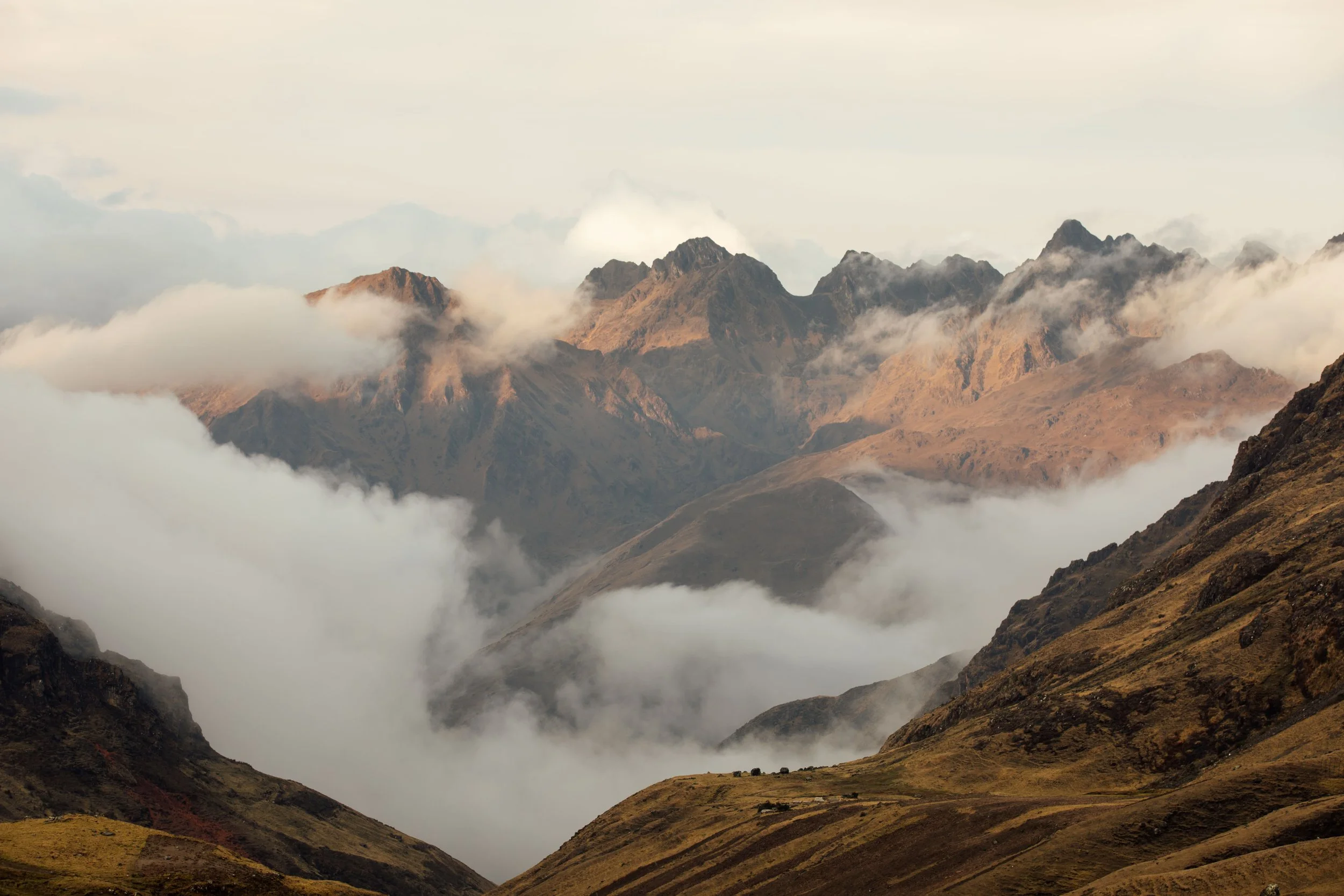
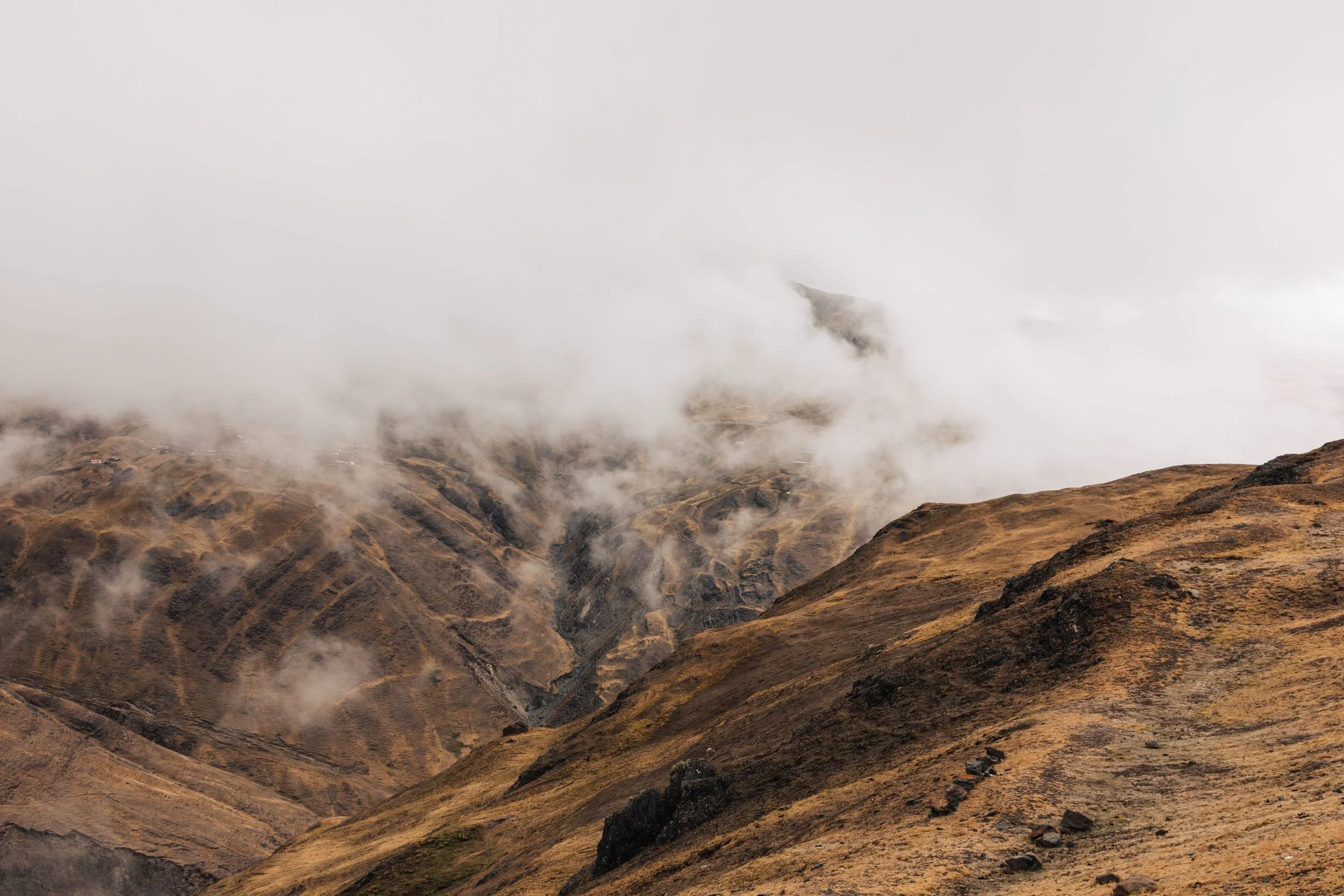
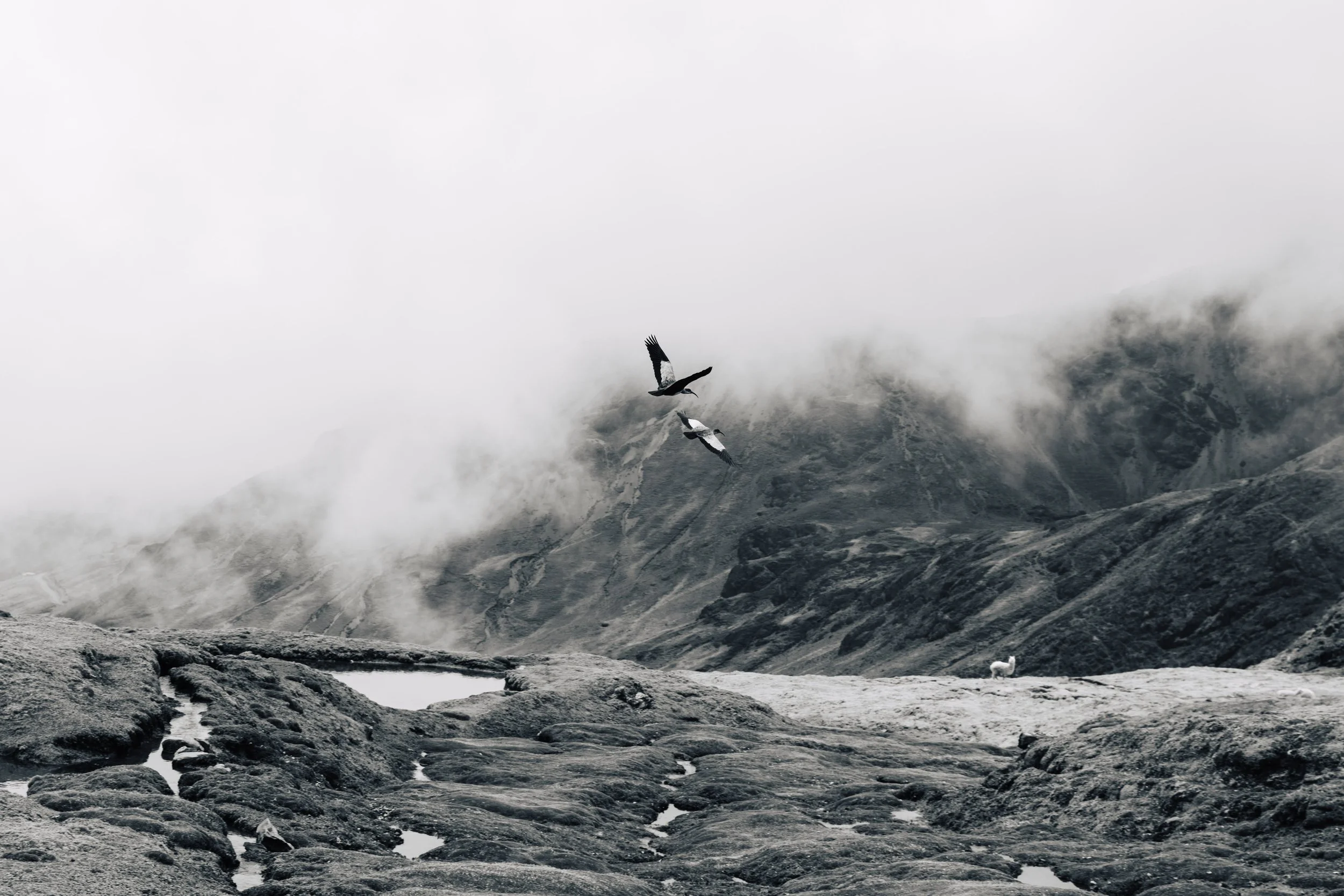
Mist and clouds are a daily presence in the high Andes. Rolling in from the Amazon, the mist is both beautiful and unpredictable — appearing and vanishing with the wind, moving through valleys and peaks. It shapes everything: the growth of crops, the movement of animals and the timing of ceremonies.
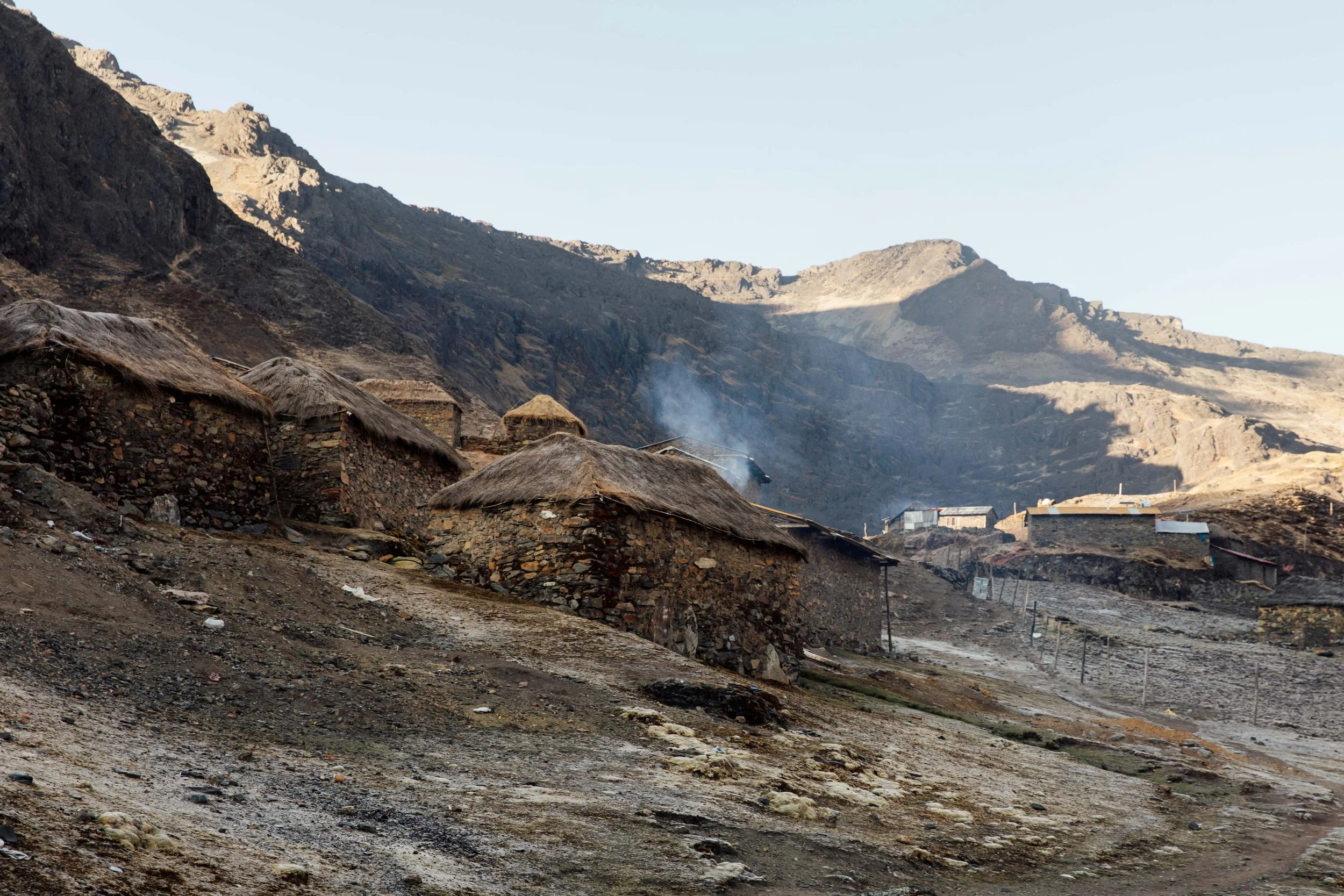
The sun sets the rhythm of the day. Days in Qochamoqo began around 04:30 while I was there, just before sunrise. These early mornings are extraordinary as smoke is rising from the stone houses and the ground is still frozen from the night’s cold.
At one with nature
Food & medicine
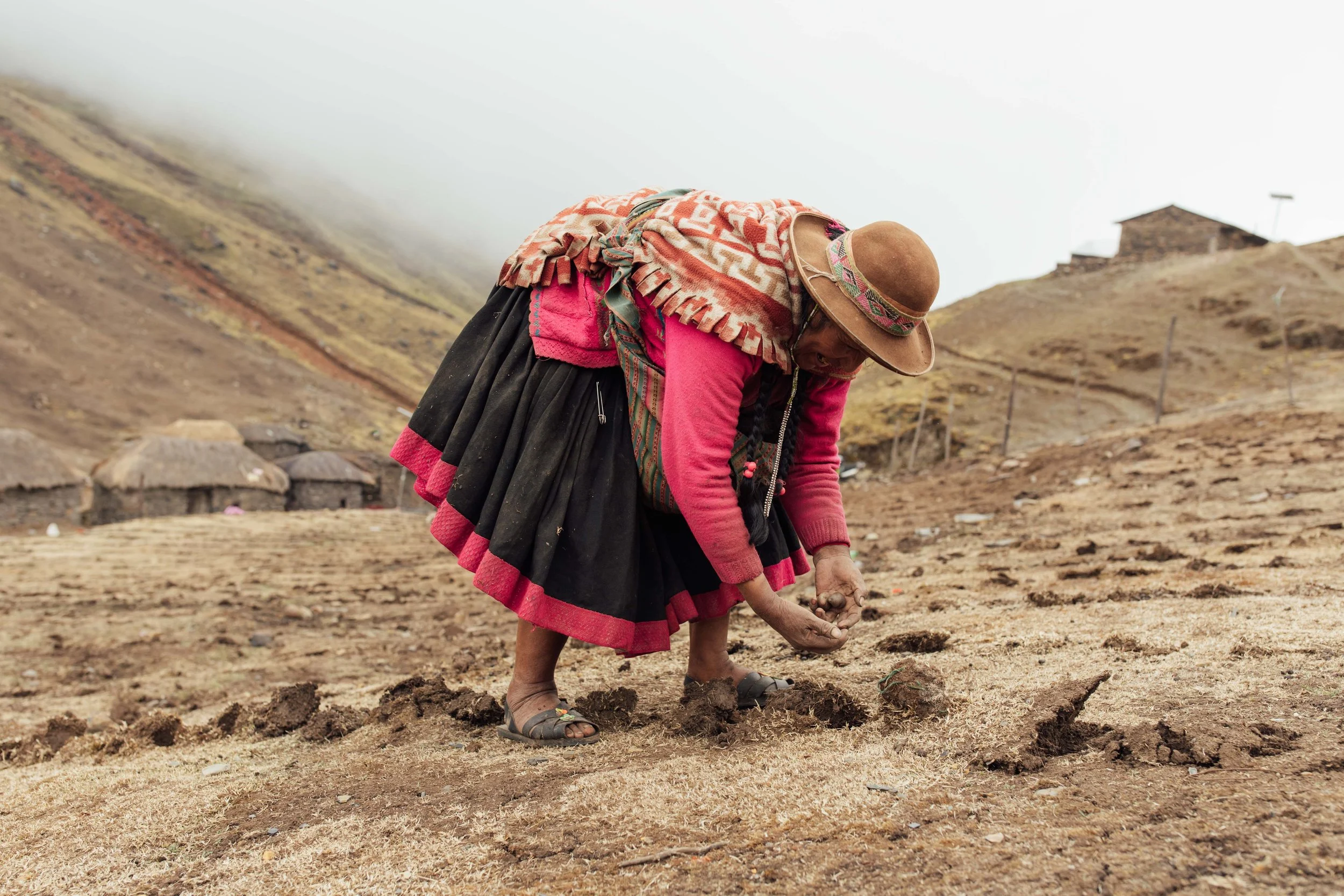
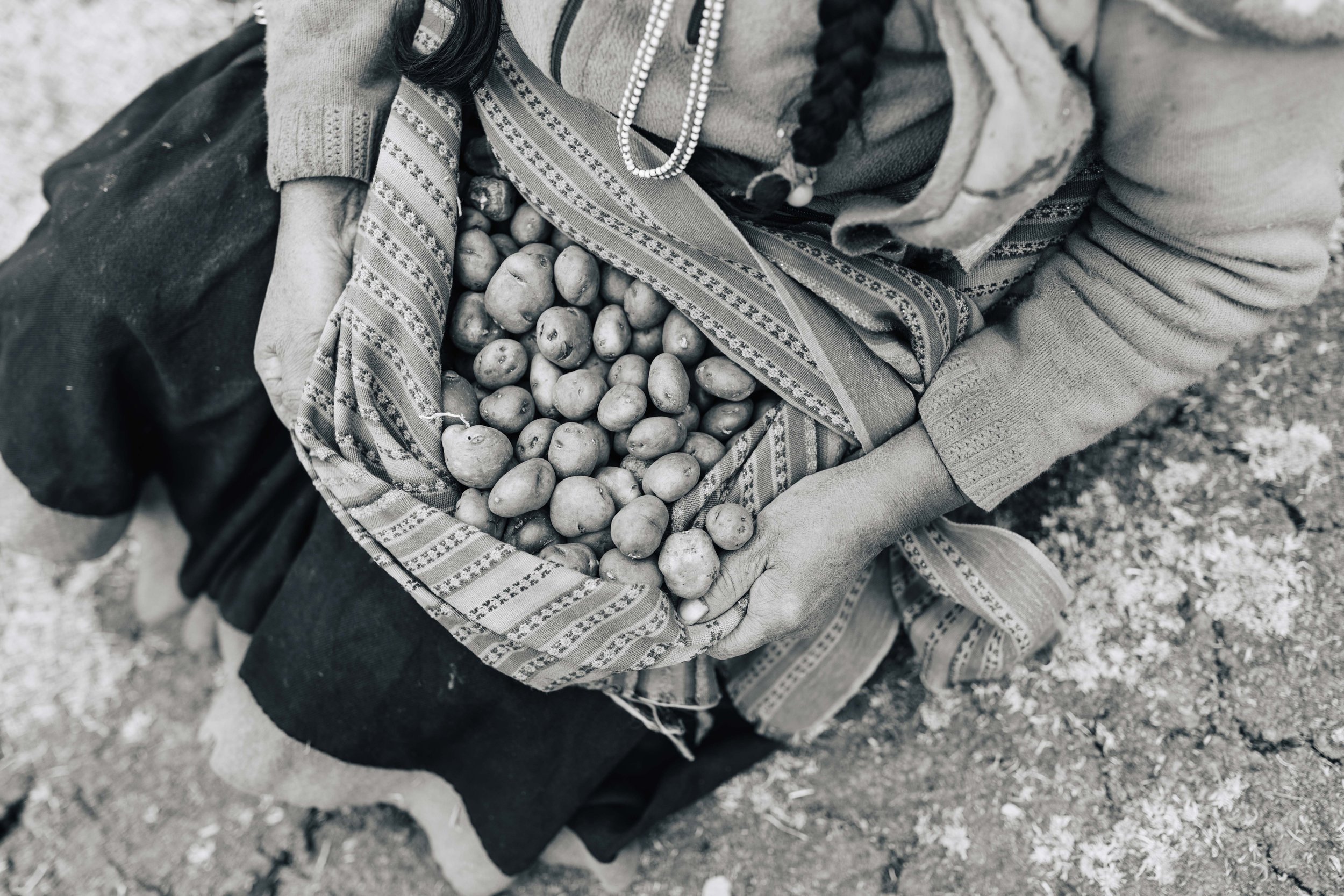
At this altitude little will grow, so the Q’eros diet is mostly potatoes, with an alpaca occasionally slaughtered. Nothing is wasted: the wool for clothing, the meat for food, the skin for mattresses, the rest for broth.
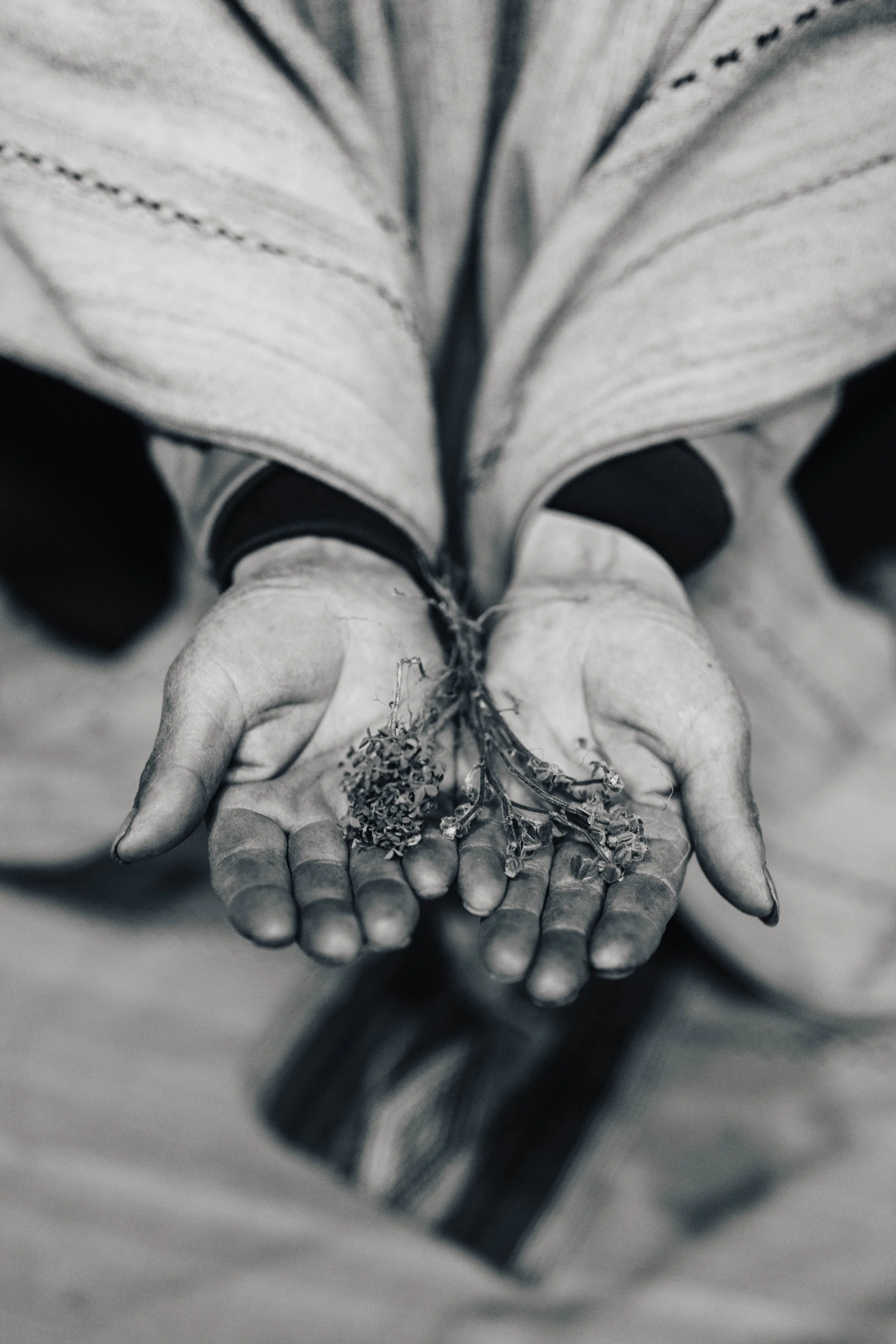
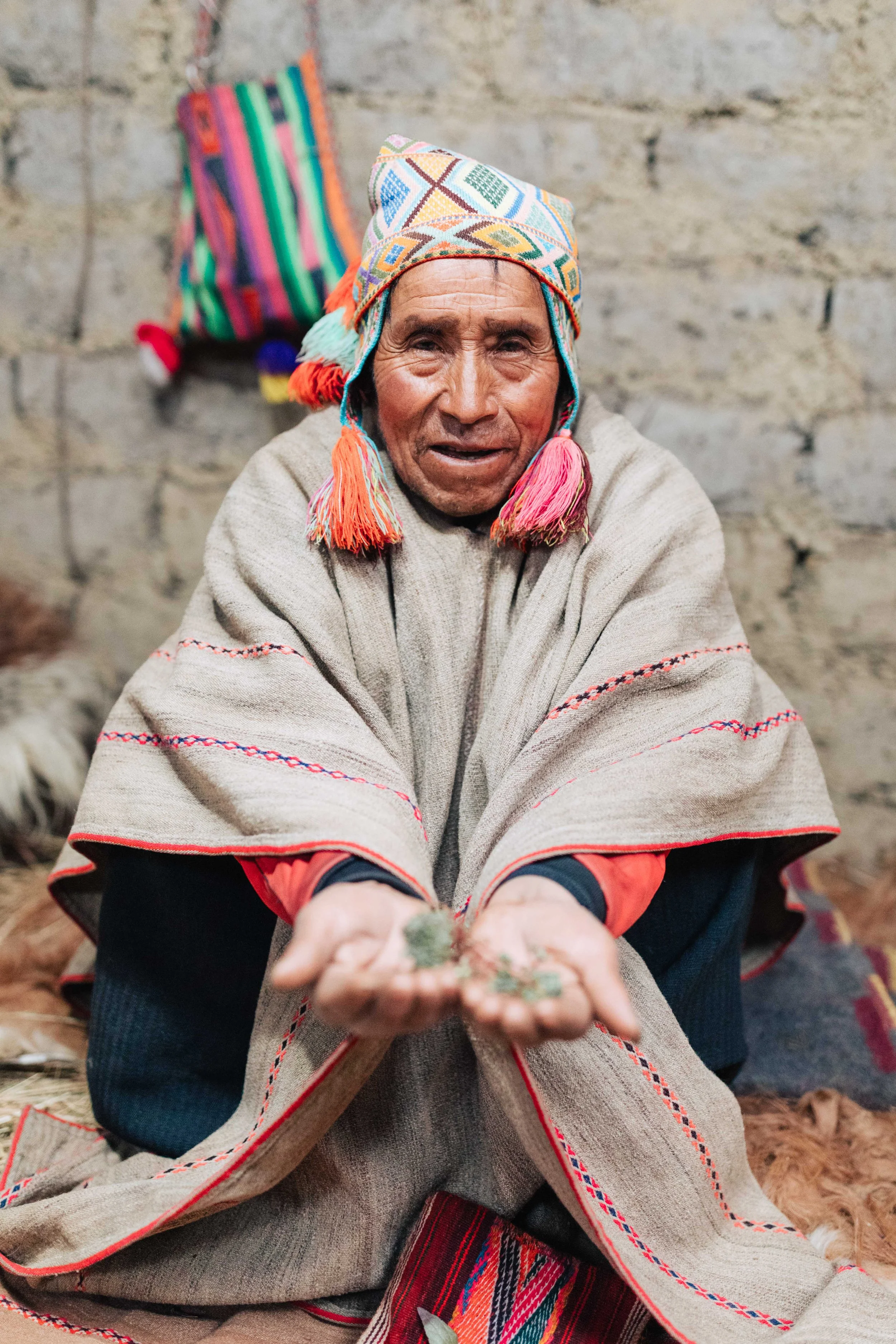
Their medicine follows Inca tradition, using plants and herbs to treat illness. Martin welcomed us into his home and shared his knowledge of medicinal plants. Knowledge he has gathered over long searches in the mountains and passed down through generations.
Llama and alpaca herders
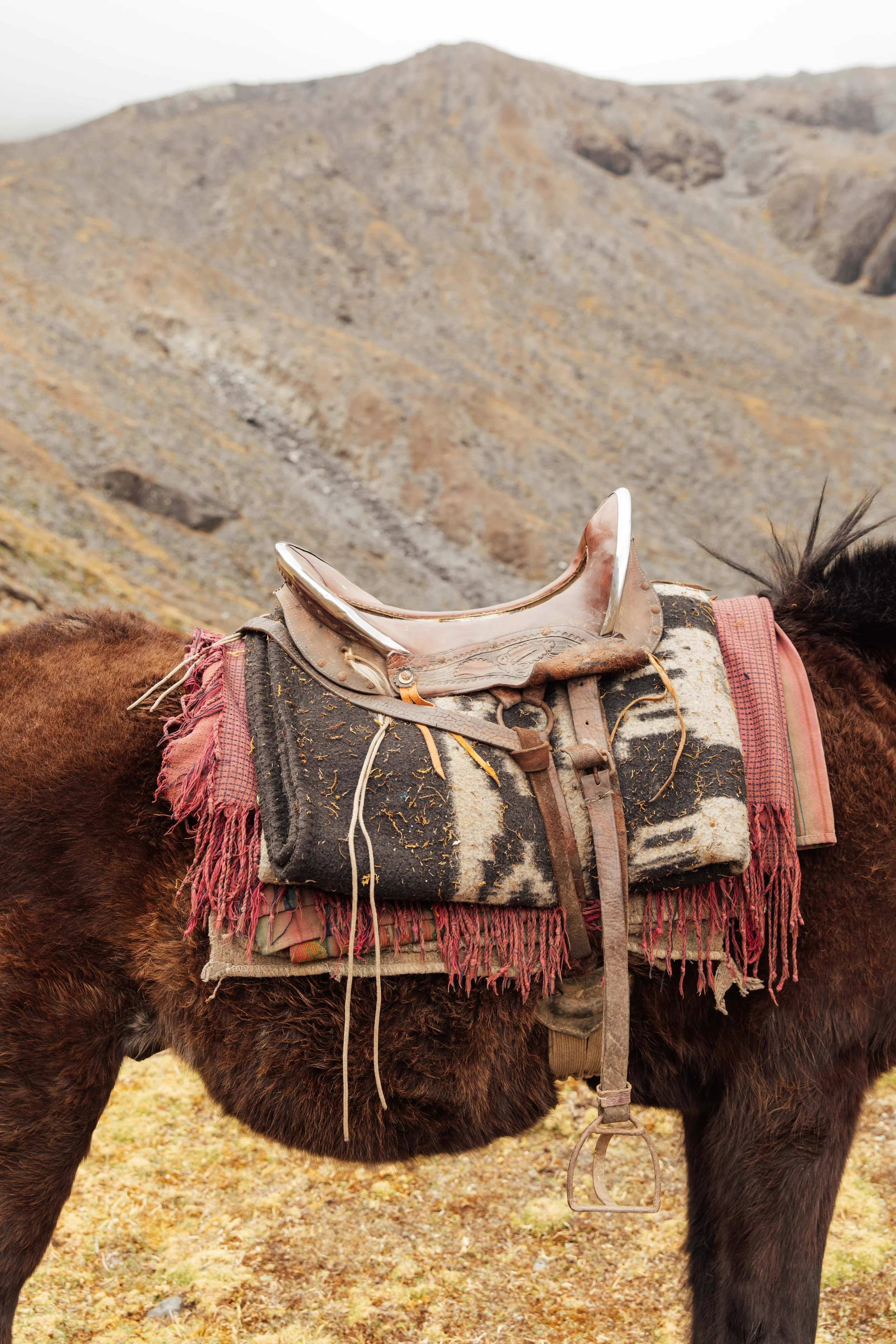
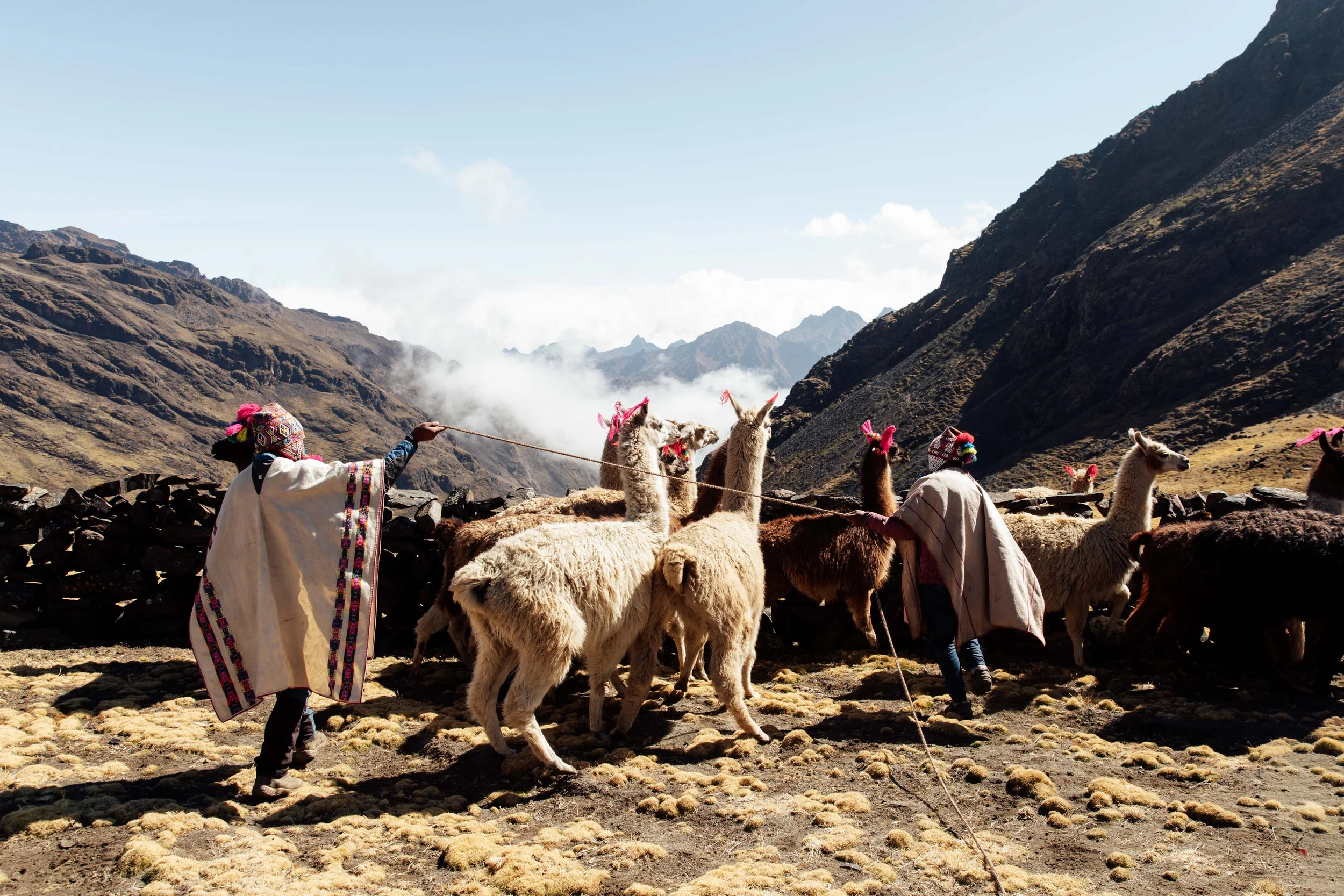
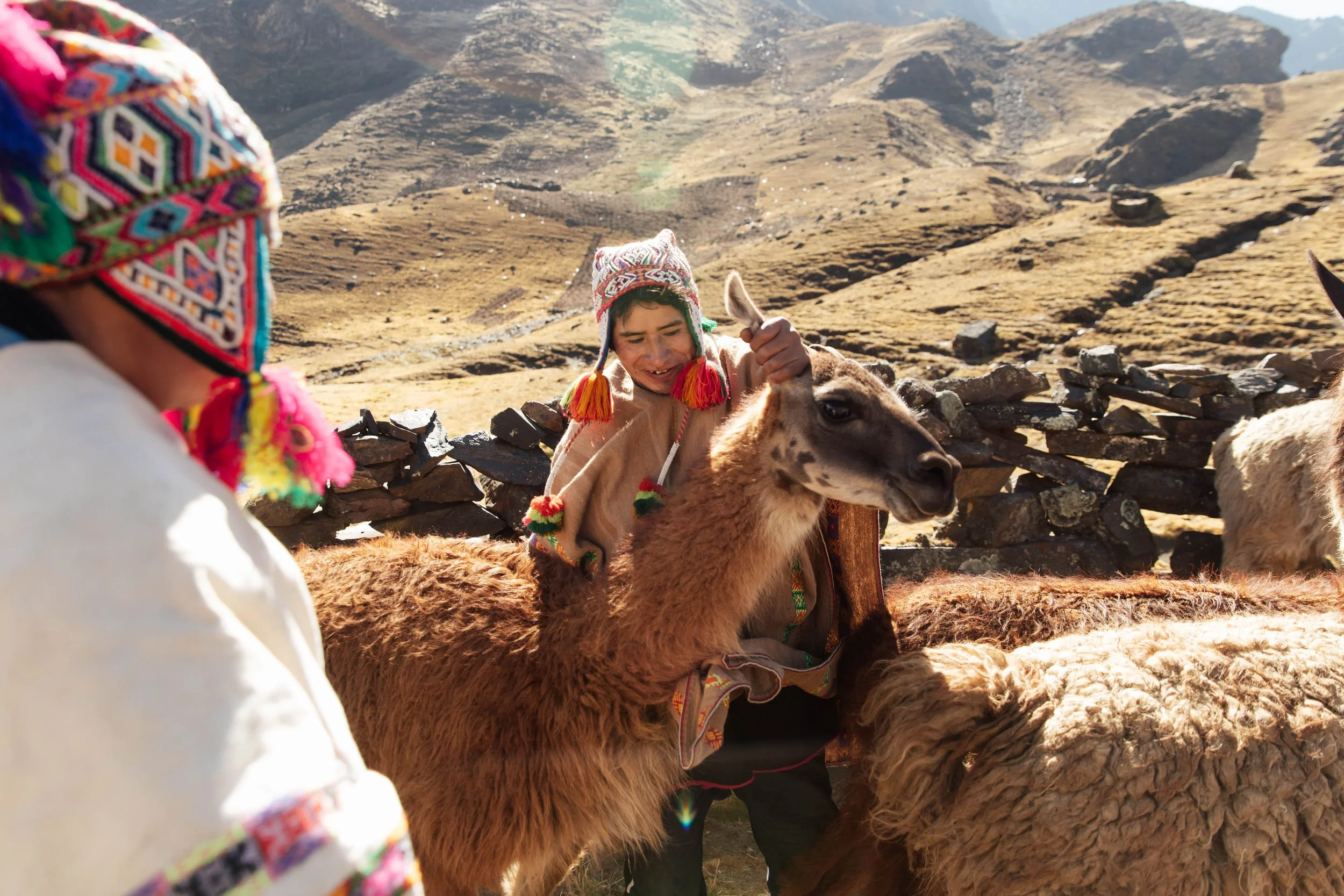
The Q’eros are llama and alpaca herders. The animals are prized for their wool, their meat, and their ability to carry loads across the rugged Andes. At night the alpacas are kept in a corral, a circular wall of stone. In baby-alpaca season pumas hunt from the lower mountains, and the men told us the dogs bark through the night to warn of them.
The Q’eros hold traditional ceremonies for their herds to bless their fertility and ask for protection, adorning the animals’ ears with colourful tassels. It is a deep respect, a bond built over centuries of living together in the high Andes.
Traditional weaving
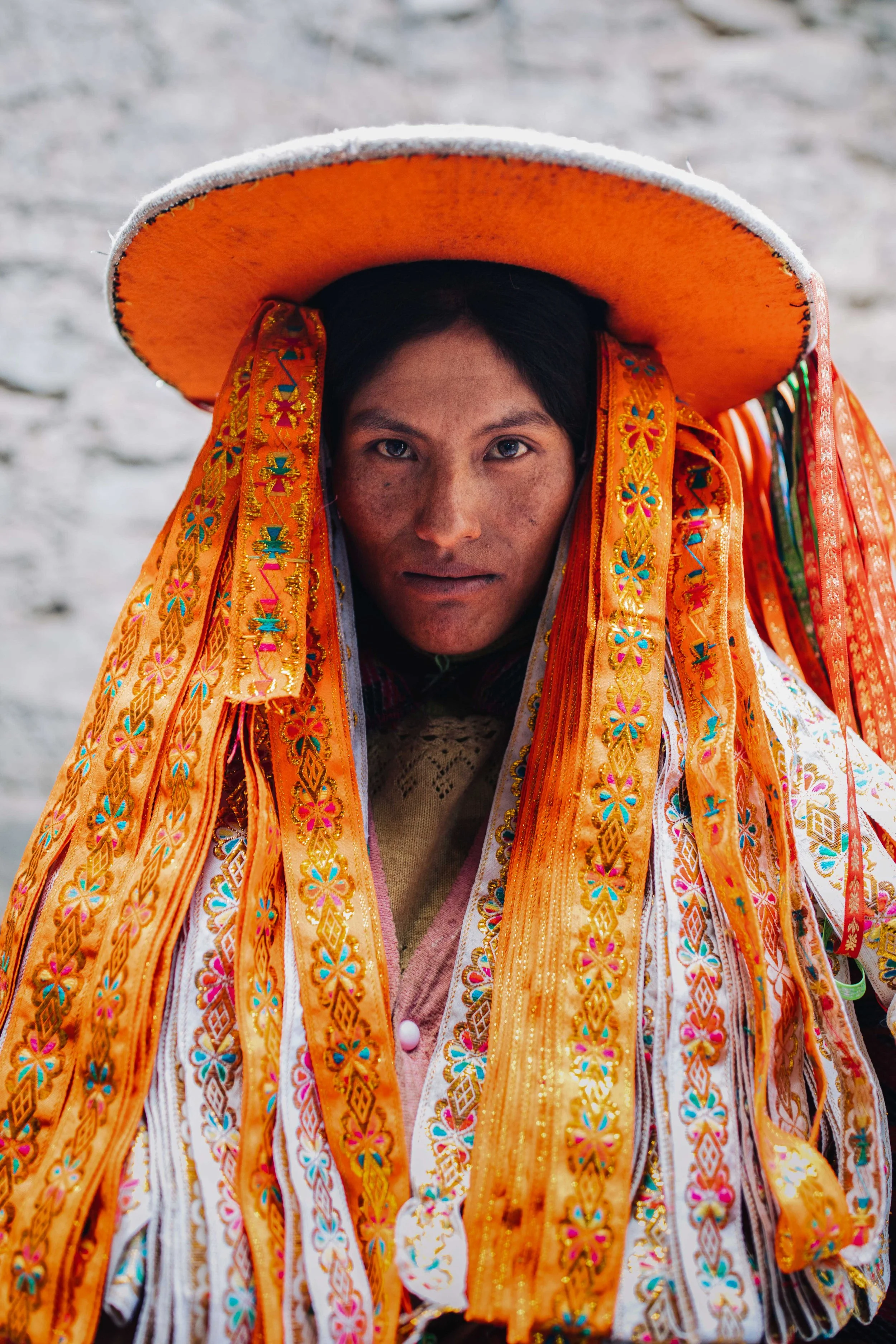
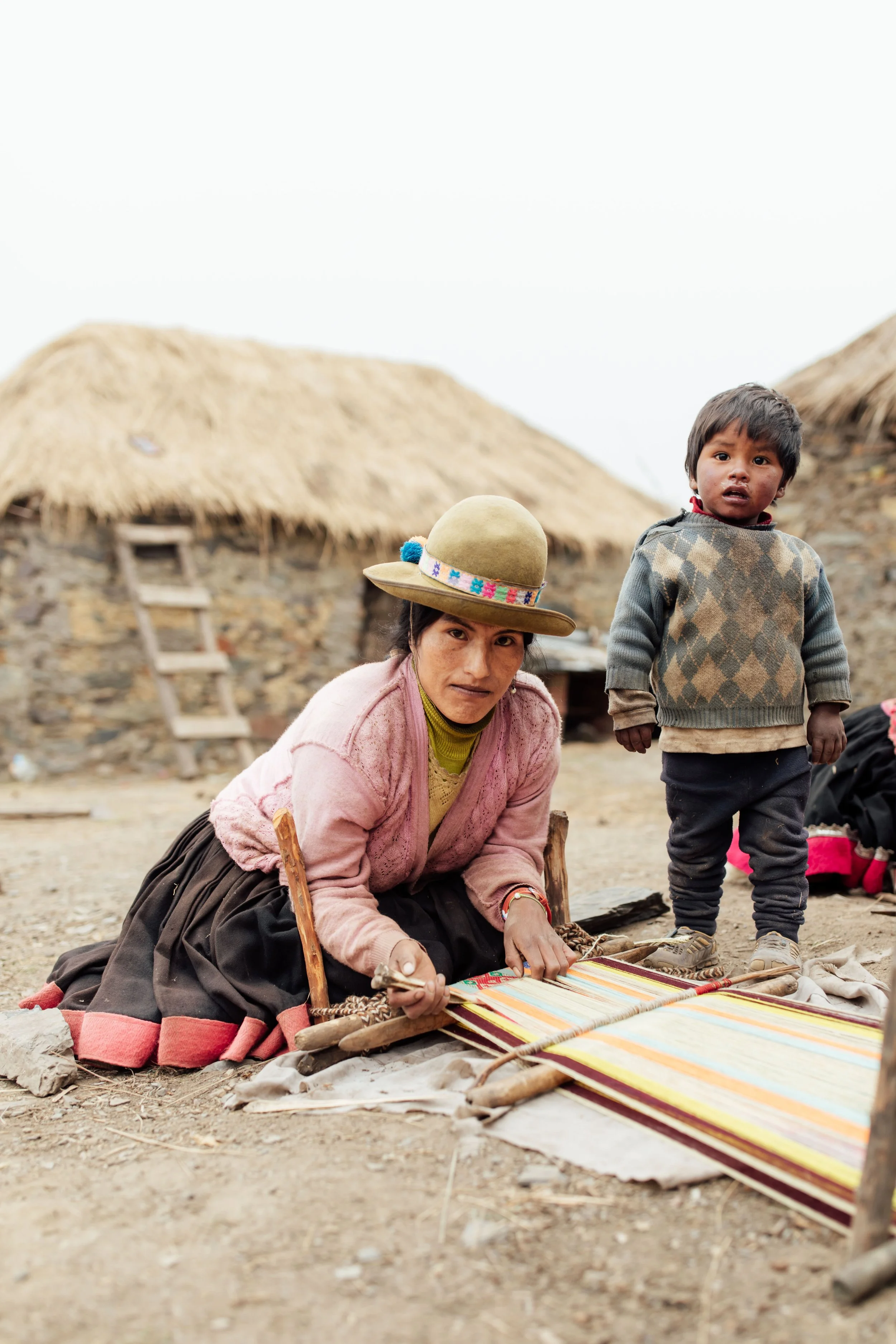
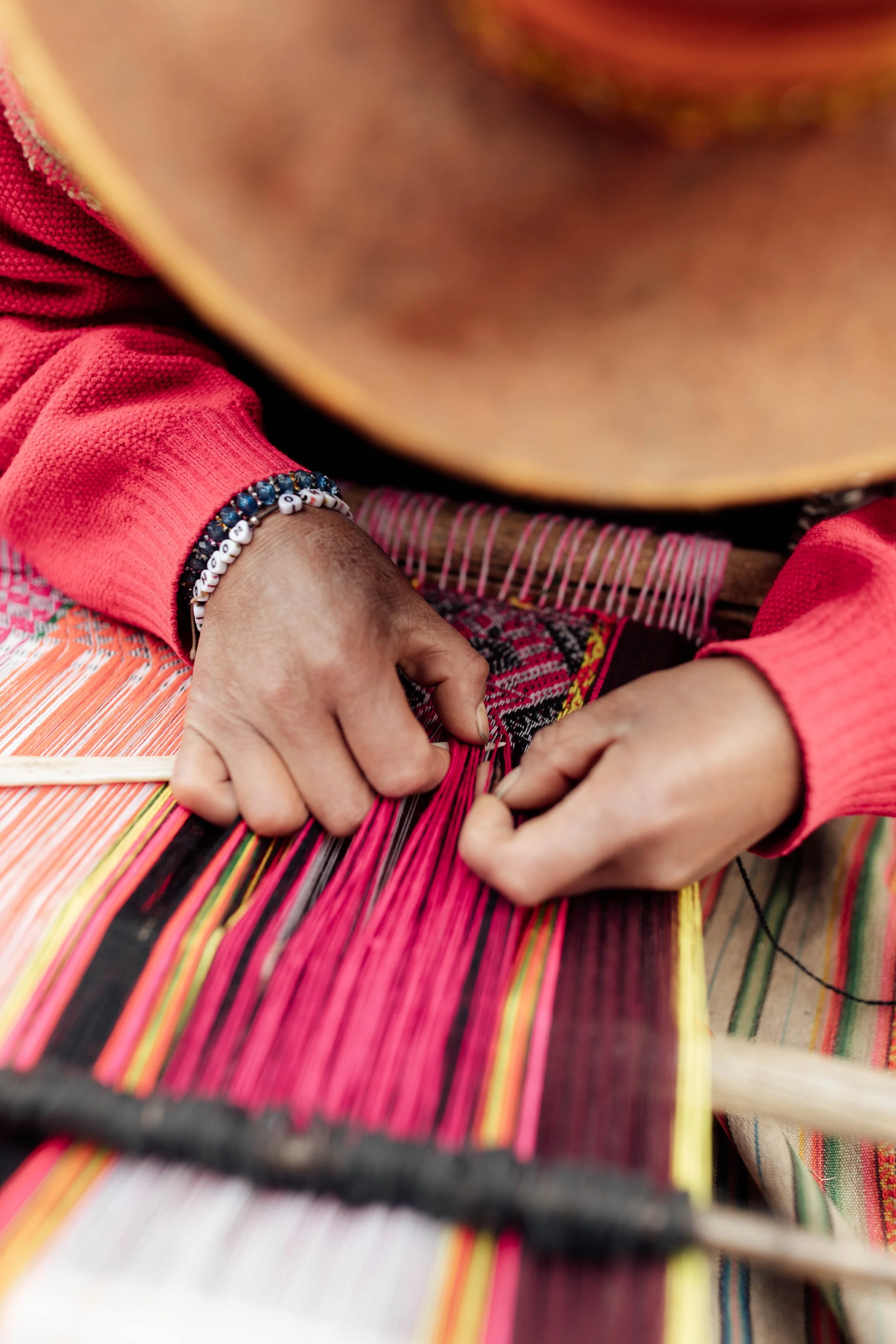
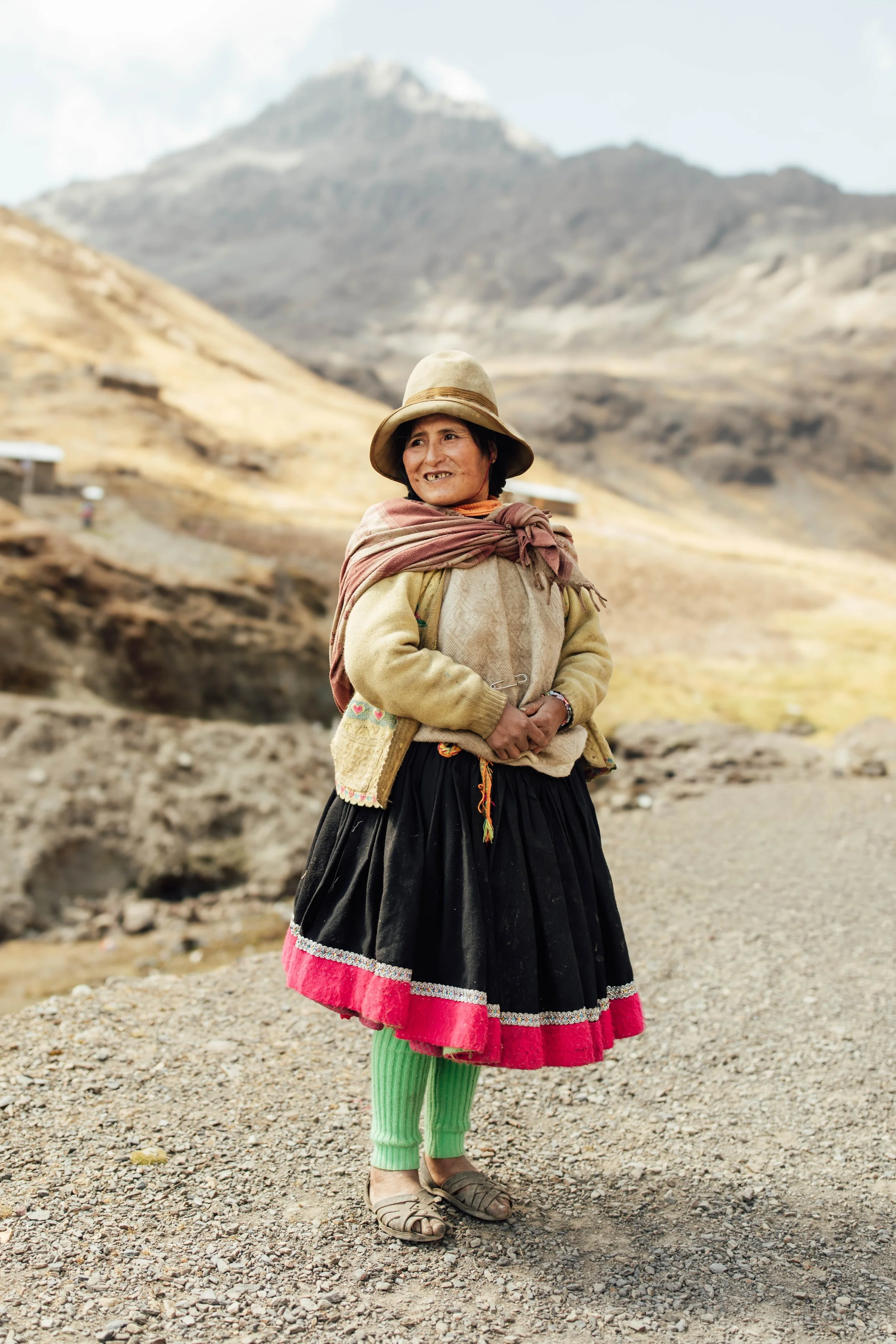
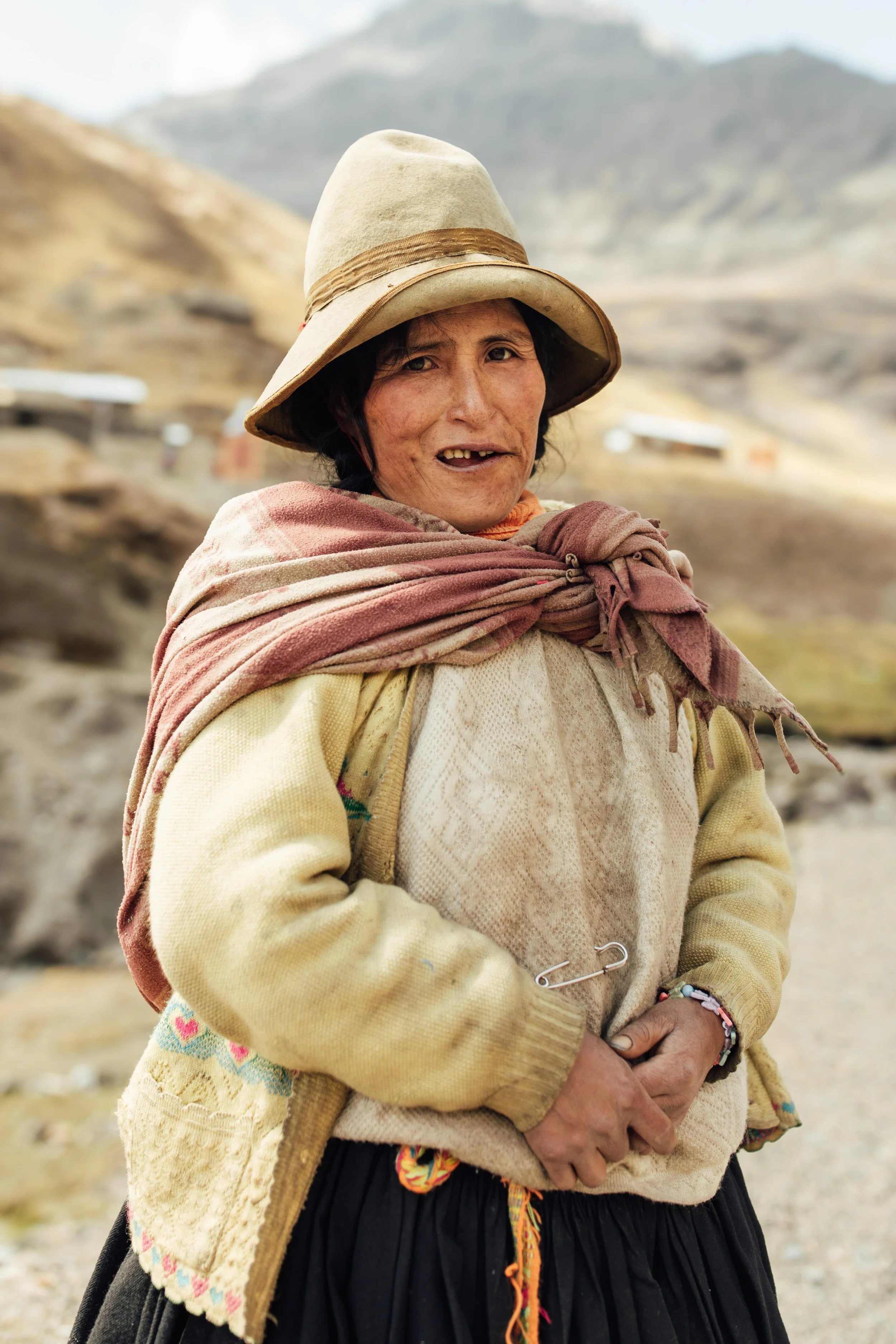
Weaving runs through Q’eros culture and has been handed down for generations. The women work on a backstrap loom, using alpaca bone as a pick, a technique used in the Andes for hundreds of years. The work is slow, a single textile can take months, and the result is tightly woven and rich with meaning.
The designs draw on the landscape, dyed with plants and minerals into the bold Andean colours. Symbols of animals, mountains and stars carry the Andean cosmovision. Sold at market and to visitors, the textiles also sustain families and keep the tradition alive.
Despacho offerings
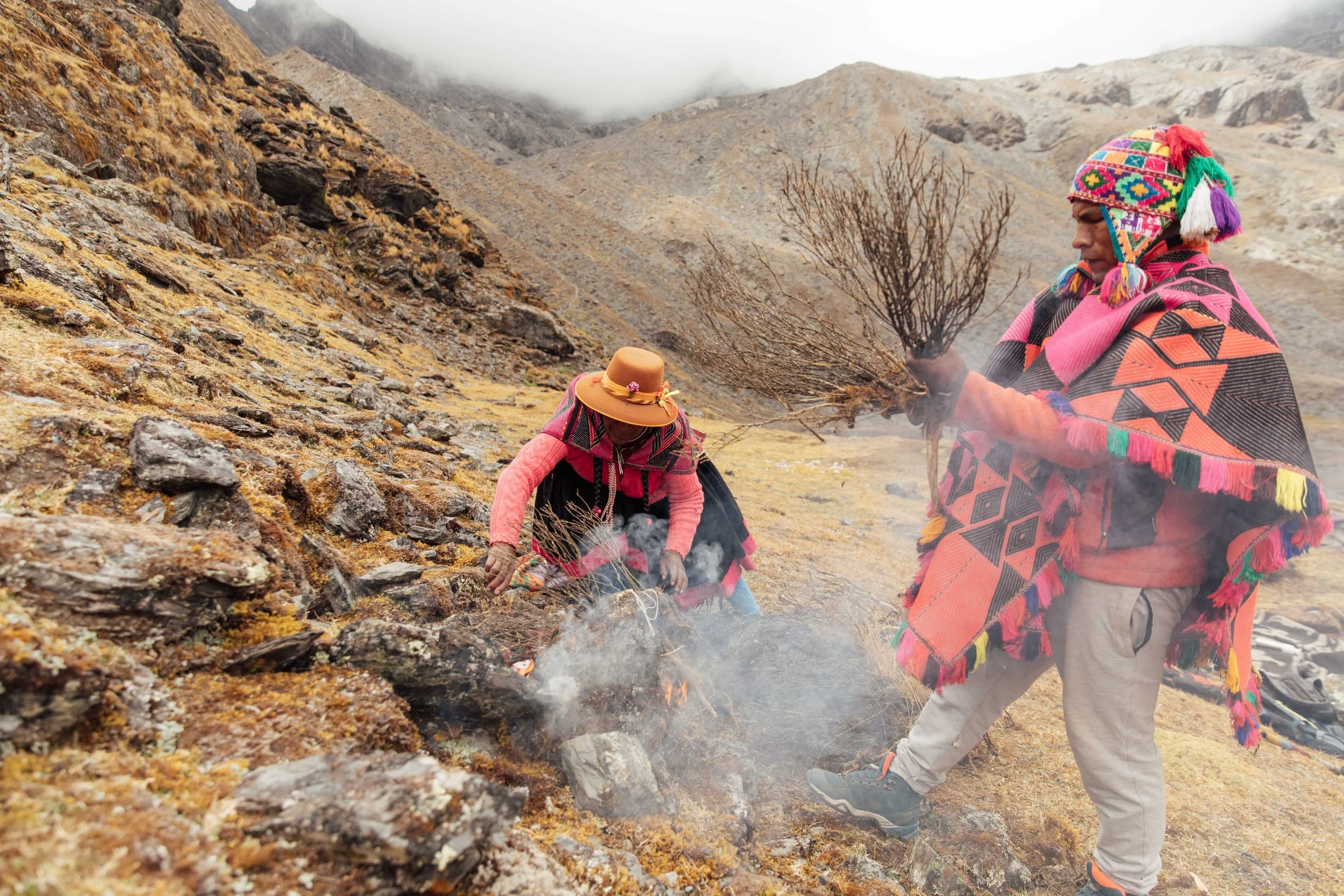
The Q’eros make offerings to Pacha Mama, Mother Earth, and to the Apus, the mountain spirits, in return for the wellbeing of their animals, crops and community. In a despacho ceremony a special offering is built from symbolic items — flowers, leaves, seeds — each one a specific prayer, arranged in a careful pattern.
The offering is blessed with chanting and the sound of the flute, then burned, so the prayers within it are carried into the spiritual world and made real in this one.
“In the middle of the night I’m woken by heavy wind. I lie in bed hoping the roof holds. The door bangs open again and again until it finally gets me up; I wedge my backpack against it to force the wooden door shut. As I do, I notice light through the neighbours’ door, where Q’ero men are playing the flute and singing.”
Q'ero people in a modern world
I felt deep gratitude to be there, but also conflict. Shouldn’t we leave these communities to live undisturbed? I asked myself that over and over, and asked the Q’eros too. But we are past the point of complete isolation, a road reached these villages in 2017.
The meeting of the ‘isolated’ and the ‘modern’ is no longer avoidable. Rather than trying to prevent it, we should make sure these communities can thrive: that people like the Q’eros can enter the modern world while keeping their identity, practices and traditions.
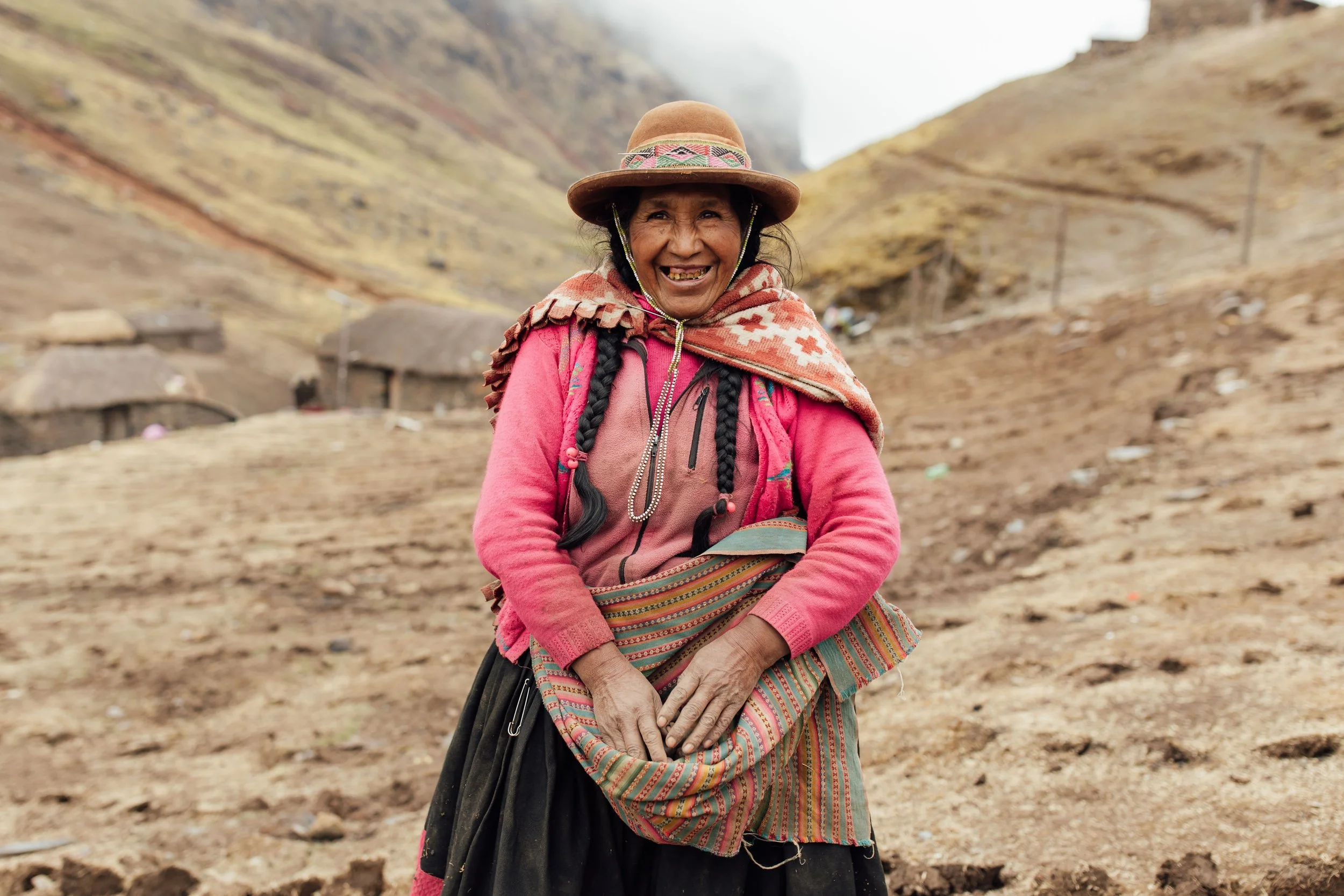
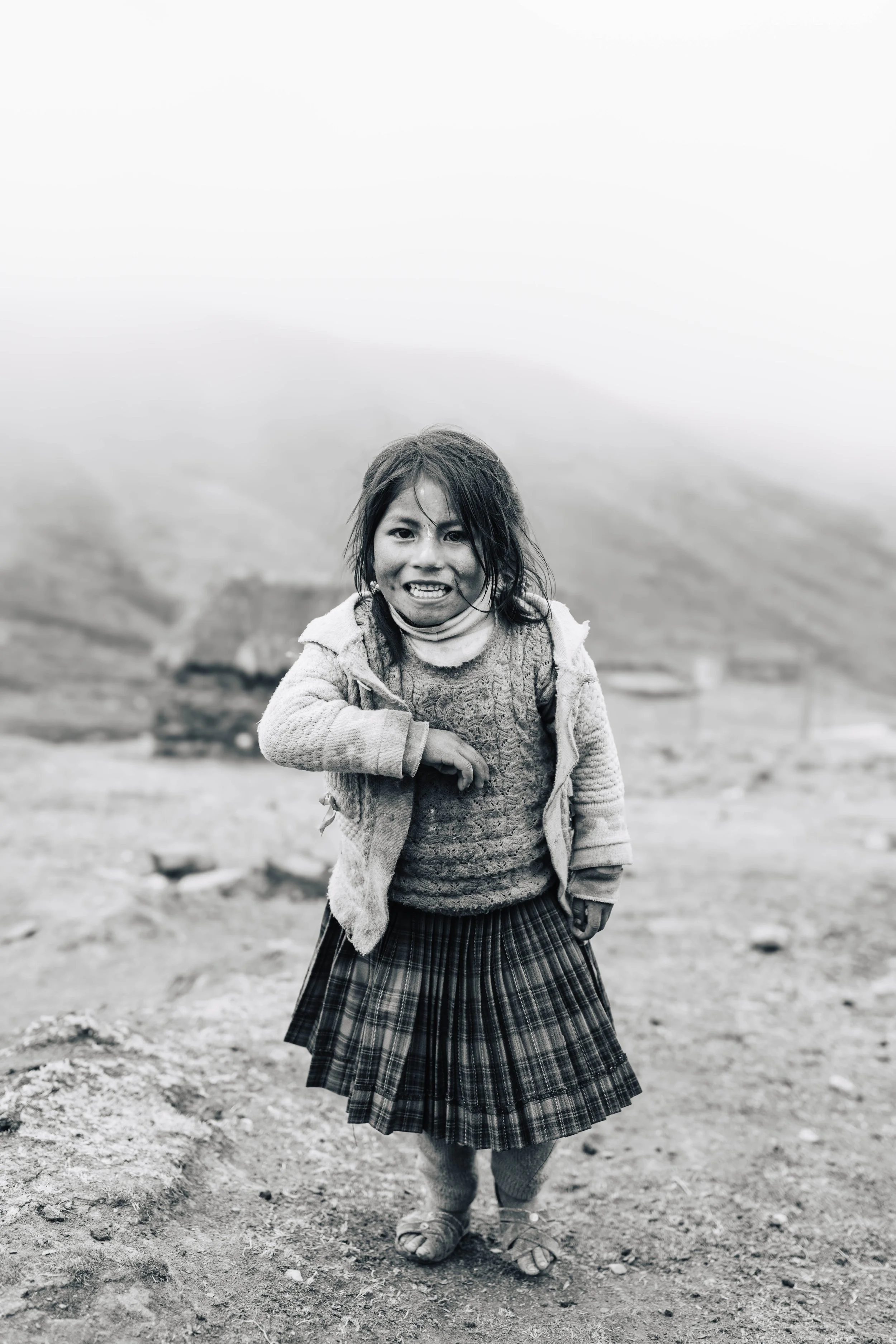
Visiting Q’ero people without a doubt comes with responsibility and respect. The Q’eros welcomed me as a guest and were proud to share their culture; most of my photographs were made only in the final days, after time spent simply getting to know one another. My hope is that these images bring a little awareness, and make some small contribution to preserving a culture under threat from mining, migration and a changing climate.
Lessons from the Q'eros
There is so much to learn from the Q’eros. Their lasting bond with nature is remarkable, and so are the ties they keep with one another: ayni, the importance of reciprocal sharing, and animu, an awareness of the spirit in all things. Q’ero people remind us that materialism doesn’t bring happines, that there is another way to live, one day at a time, at the pace of nature. My time with the Q’eros is something I will hold dear for the rest of my life.